

 水族箱及用品
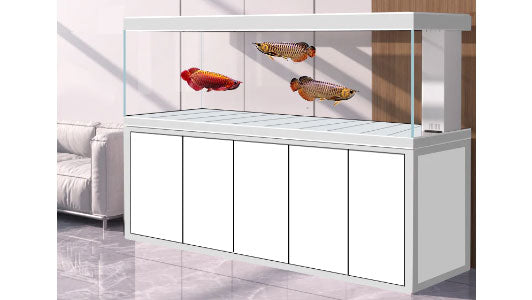

 珊瑚礁水族箱及用品
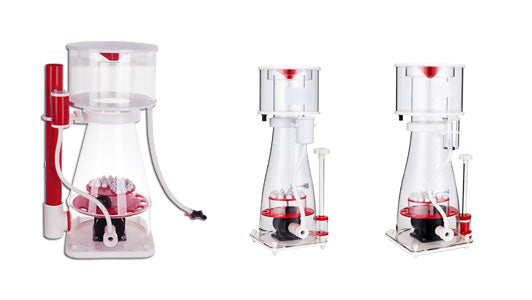

 花园、水培和景观
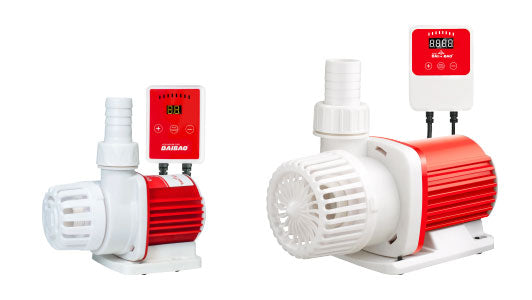

 池塘、喷泉和瀑布
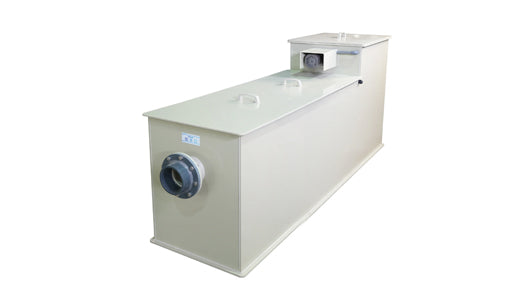

 滚筒式池塘过滤器

 社区

 帮助中心

Best Wavemaker for Soft Coral Reef Tank
Last Updated: October 23, 2026
Quick Summary
The best wavemaker soft coral reef setup uses the LBS Series 2400 GPH for mid-size tanks or the LBS Series 1600 GPH for nano reefs, both delivering smooth sine-wave flow with six adjustable modes that keep soft coral polyps extended without excessive stress. Aim for 10-20 times your tank volume in flow per hour, staying on the lower end for soft corals, and position the wavemaker on the side or back wall at mid-water height angled slightly upward.
- LBS Series 2400 GPH costs $69.99 and handles 75-110 gallon tanks with automatic night mode
- LBS Series 1600 GPH costs $59.99 and includes six flow modes plus wireless master/slave connectivity
- DCS Series 320 GPH entry-level option costs $41.99 for tanks under 40 gallons
- Soft corals need 10x tank volume turnover minimum, not the 10-20x range used for hard corals
- Mount wavemakers on side or back walls at mid-water height, angled 15-20 degrees upward for optimal polyp extension
Table of Contents
- Best Wavemakers for Soft Coral Reef Tanks: Quick Comparison
- How We Evaluated These Wavemakers
- LBS Series Wavemakers: High-Performance Flow Control
- DCS Series Wavemakers: Energy-Efficient Circulation
- Wavemaker Selection by Tank Size and Gallon Capacity
- Soft Coral Flow Requirements and Water Movement Patterns
- How to Reduce Wavemaker Noise and Vibration
- Wavemaker Placement and Positioning for Optimal Flow
- Frequently Asked Questions
Best Wavemakers for Soft Coral Reef Tanks: Quick Comparison
Soft coral reef tanks demand precise water movement: too little and polyps won't extend or feed; too much and corals recede. The right wavemaker soft coral reef setup is often the difference between thriving and struggling corals.
At AquaDreamUSA, we've spent over two decades helping aquarists dial in flow. This guide shows which wavemaker delivers the performance your soft coral reef tank needs, from nano setups to 100+ gallon displays.
Quick Picks:
- Best Overall: LBS Series 2400 GPH, ideal balance of flow control and adjustability for mid-size soft coral tanks
- Best for Nano Reef: LBS Series 1600 GPH, precise 6-mode control in a compact footprint
- Best Budget Option: DCS Series 320 GPH, entry-level circulation for small tanks under 40 gallons
How We Evaluated These Wavemakers
Choosing a wavemaker for soft coral isn't just about gallons per hour.

Flow consistency matters most. Corals respond to stable, predictable movement; pulsing pumps confuse their feeding response.
Adjustability wins in mixed tanks. Soft corals don't all want the same flow, so multiple modes let you dial in what your tank needs. The LBS Series offers six distinct modes, from gentle circulation to turbulent flow.
Ease of cleaning prevents downtime. Wavemakers clog with algae and detritus, so models that disassemble quickly save hours of frustration.
Saltwater durability is non-negotiable. Ceramic propellers and epoxy-sealed motors resist corrosion; we excluded anything with exposed metal that corrodes within months.
LBS Series Wavemakers: High-Performance Flow Control
The LBS Series is our top recommendation for soft coral tanks. Its sine-wave motors eliminate the jarring on-off cycles of cheaper pumps, delivering smooth, rhythmic flow that mimics natural reef conditions.
1600 GPH Sine Wave Maker for Nano Reef Tanks
The 1600 GPH LBS wavemaker is built for aquariums.
Six adjustable modes shift from gentle circulation to vigorous flow without a second pump; start conservative and increase as corals acclimate. The ceramic propeller won't corrode in saltwater.
The magnetic base grips glass over 1 inch thick, with 360-degree horizontal and 180-degree vertical adjustment to target flow exactly where corals sit.
Pros:
- Sine-wave motor delivers smooth, non-jarring flow
- Six modes cover everything from gentle to turbulent
- Wireless master/slave connection lets you run up to 3 units together
Cons:
- Overkill for tanks under 40 gallons
- Requires controller setup (included, but adds complexity for beginners)
Price: $59.99
2400 GPH Sine Wave Maker for Mid-Size Reef Tanks
Jump to the 2400 GPH for tanks. It handles mixed soft coral displays without excessive power draw.
The controller's photosensitive night mode automatically reduces flow when lights dim.
Its wider flow pattern covers larger volumes without dead spots; the same six modes mean even mode 1 provides meaningful circulation in a 100-gallon setup.
The wireless master/slave feature shines here: run two units on opposite sides for opposing flow that mimics natural reef surge.
Pros:
- Handles 75-110 gallon tanks with room to spare
- Night mode reduces energy consumption automatically
- 10-30W power consumption is extremely efficient
Cons:
- Overkill for smaller tanks under 75 gallons
- Requires space for the controller unit
Price: $69.99
4800 GPH Sine Wave Maker for Large Reef Tanks
The 4800 GPH LBS is engineered for displays over 110 gallons.
It delivers unmatched flow precision, with six modes from gentle circulation for delicate soft corals to aggressive turbulent flow.
The real advantage: one powerful, controllable unit replaces two or three smaller pumps. The magnetic base holds firmly, and 360-degree horizontal plus 180-degree vertical adjustment give complete directional control.
Pros:
- Handles 110+ gallon tanks efficiently
- Single powerful unit replaces multiple smaller pumps
- Six modes provide precise flow control
Cons:
- Overkill for tanks under 110 gallons
- 50W power consumption is significant
- Expensive compared to smaller models
Price: $105.99
DCS Series Wavemakers: Energy-Efficient Circulation
The DCS Series prioritizes energy efficiency and easy maintenance, ideal if you're upgrading from basic powerheads or moving from freshwater to saltwater.
320 GPH and 530 GPH for Small Tanks
Start here if your soft coral reef tank runs under 40 gallons. The 320 GPH DCS (DCS-1200) delivers enough circulation for nano and pico setups.
The 530 GPH DCS (DCS-2000) steps up for tanks. Both feature adjustable flow, easy-clean construction, and a compact profile that hides behind rockwork or in sump returns.
These are entry-level: basic flow adjustment instead of the LBS Series' six modes.
Pros:
- Low power consumption
- Small footprint, easy to hide
- Adjustable flow control
Cons:
- Limited flow adjustment compared to LBS Series
- No wireless syncing capability
- Best for small tanks only
Pricing: 320 GPH at $41.99 | 530 GPH at $60.99
Aqua Dream 24V DC Sine Wave Maker Pump 4800 GPH - Aquarium, Coral Reef, Ponds →
1060 GPH, 1600 GPH, 2400 GPH for Medium Tanks
The DCS mid-range gives flexibility: 1060 GPH, 1600 GPH, and 2400 GPH.
All three offer adjustable flow and ceramic propellers.
The key difference from LBS: you trade six distinct modes for simpler, more straightforward operation.
Pros:
- Energy-efficient across the range
- Adjustable flow control
- Ceramic propeller and epoxy-sealed motor
- Compact, easy to hide
Cons:
- Fewer flow modes than LBS Series
- No wireless master/slave syncing
- Better for straightforward circulation than dynamic flow patterns
Pricing: 1060 GPH at $77.99 | 1600 GPH at $102.99 | 2400 GPH at $134.99
3170 GPH for Large Aquariums
The 3170 GPH DCS is the largest in the series. This pump handles 150+ gallon displays or heavily stocked tanks requiring maximum circulation.
This unit excels as a return pump in sump-based systems. Many reefers use it to replace traditional return pumps, gaining adjustable flow control and feed mode pauses, features most standard return pumps lack.
Pros:
- Handles massive tank volumes
- Excellent for sump return applications
- Adjustable flow control
- Feed mode pauses for coral feeding
Cons:
- Significant power consumption (35-88W)
- Expensive
- Overkill for smaller tanks
Price: $155.99
Wavemaker Selection by Tank Size and Gallon Capacity
| Tank Size | Gallon Range | Recommended Model | Flow Rate | Price | Best For |
|---|---|---|---|---|---|
| Nano Reef | 20-40 gallons | DCS 320 GPH or LBS 1600 GPH | 320-1600 GPH | $41.99-$59.99 | |
| Small Reef | 40-75 gallons | LBS 1600 GPH or DCS 1060 GPH | 1060-1600 GPH | $59.99-$77.99 | |
| Medium Reef | 75-110 gallons | LBS 2400 GPH or DCS 1600 GPH | 1600-2400 GPH | $69.99-$102.99 | |
| Large Reef | 110+ gallons | LBS 4800 GPH or DCS 3170 GPH | 3170-4800 GPH | $105.99-$155.99 |
The general rule: aim for 10-20 times your tank volume in flow per hour. A 75-gallon tank needs 750-1500 GPH of circulation.
For soft corals specifically, stay on the lower end of that range. Soft corals evolved in calmer reef environments than hard corals. Excessive flow stresses them. Start with 10x turnover and increase gradually if you see polyps staying retracted.
Soft Coral Flow Requirements and Water Movement Patterns
Soft corals demand water movement, but not the aggressive surge that hard corals prefer.
Soft corals need gentle, predictable flow. Their polyps extend when water moves steadily across them.
The ideal setup uses opposing flow patterns.
Look for polyp extension as your indicator. Healthy soft corals extend their feeding polyps when flow is optimal.
Dead spots are your enemy. Areas with no water movement trap detritus and become anaerobic.
How to Reduce Wavemaker Noise and Vibration
Wavemaker noise comes from two sources: motor vibration transmitted through the tank, and cavitation sounds from the propeller.
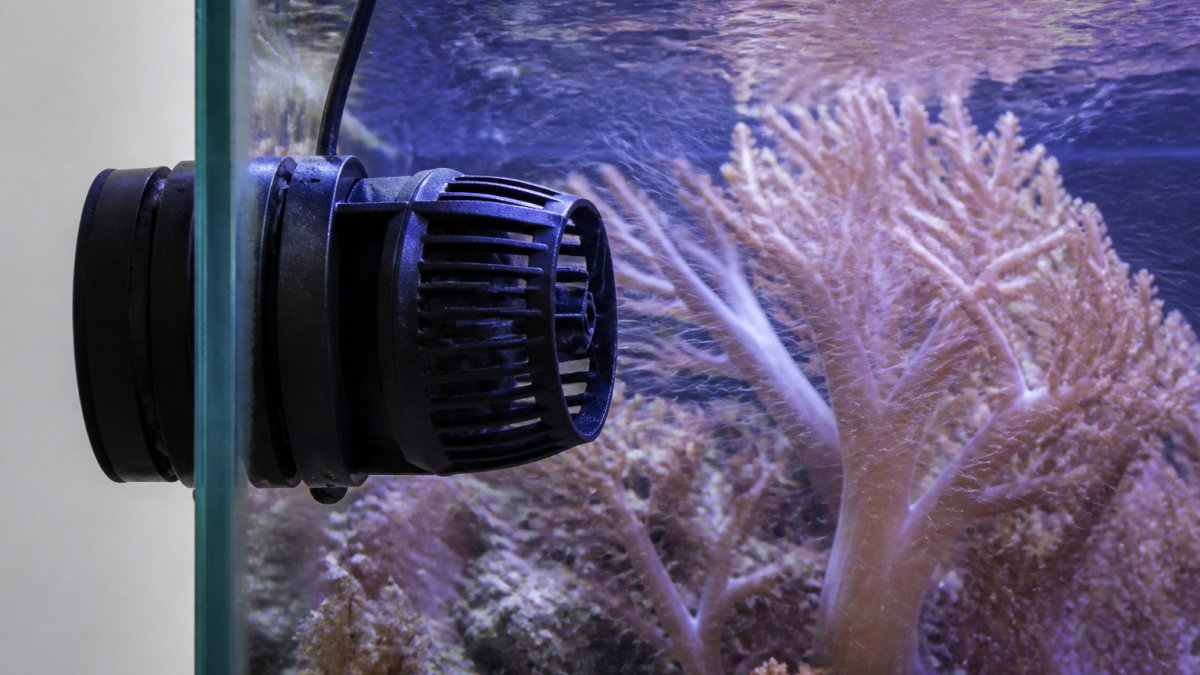
Check your propeller clearance. If the impeller rubs against the housing, you'll hear grinding sounds.
Reduce flow speed slightly. The LBS Series lets you dial down to lower modes.
Position the outlet away from tank walls. If the water stream hits glass directly, it creates turbulence noise.
Most wavemaker noise complaints come from poor positioning, not defective units.
Wavemaker Placement and Positioning for Optimal Flow
Where you mount your wavemaker determines whether your soft corals thrive or struggle.
Angle slightly upward. A 15-20 degree upward angle creates an upwelling effect.
Create opposing flow if using two wavemakers. Mount them on opposite sides of the tank, angled toward the center. Run them in alternating pulse modes so flow surges from one side, then the other. This is the closest you can get to natural reef conditions in a closed system.
Test placement before finalizing. Watch how water moves across your corals for a few days.
The magnetic base lets you move the wavemaker easily. Don't hesitate to experiment.
| Feature | LBS 1600 GPH | LBS 2400 GPH | LBS 4800 GPH | DCS 1060 GPH | DCS 2400 GPH |
|---|---|---|---|---|---|
| Flow Rate | 1600 GPH | 2400 GPH | 4800 GPH | 1060 GPH | 2400 GPH |
| Tank Size | 40-75 gal | 75-110 gal | 110+ gal | 50-75 gal | 100-150 gal |
| Power Consumption | 5-20W | 10-30W | 50W | 16-30W | 29-79W |
| Flow Modes | 6 | 6 | 6 | Adjustable | Adjustable |
| Wireless Control | Yes | Yes | Yes | No | No |
| Price | $59.99 | $69.99 | $105.99 | $77.99 | $134.99 |
| Best For |
Soft coral tanks reward precision.
At AquaDreamUSA, the LBS Series is our top pick for soft coral displays because the six adjustable modes let you dial in the exact flow pattern your specific corals prefer. If you're budget-conscious, the DCS Series delivers reliable circulation at a lower price point.
Reef Aquarium Care Guide covers additional soft coral husbandry, but flow management is the foundation.
Ready to upgrade your soft coral tank's circulation? Shop our complete wavemaker selection at AquaDreamUSA. Start with the Aqua Dream 24V DC Sine Wave Maker Pump 2400 GPH, it's the ideal starting point for most soft coral displays. The 1600 GPH model handles nano tanks perfectly. For large displays, the 4800 GPH powerhouse delivers unmatched flow control.
Frequently Asked Questions
What flow rate do soft corals actually need in a reef tank?
Soft corals typically need 10 to 20 times their tank volume in flow per hour. A 75-gallon soft coral tank benefits from 750 to 1500 GPH of total circulation. However, flow should be variable and gentle, soft corals extend their polyps in moderate, non-turbulent water. Too much constant flow can stress them and reduce feeding. Use wavemakers with adjustable modes to create natural pulse patterns that mimic ocean conditions.
How do I choose the best nano wavemaker for reef tank setups?
For nano reef tanks, the 1600 GPH Sine Wave Maker ($59.99) delivers controlled flow. Its 6 adjustable modes let you dial in gentle circulation for delicate corals. The compact magnetic mount fits tight quarters, and the sine-wave motor runs quietly.
Can I use just one wavemaker, or do I need multiple for soft corals?
One wavemaker works for tanks under 75 gallons if positioned correctly. Larger tanks benefit from two units to eliminate dead spots and create more natural, varied flow patterns. The LBS series supports wireless master/slave connection for synchronized multi-unit setups. Multiple wavemakers also allow you to create gentler overall flow by running each at lower power, which soft corals prefer over one high-powered unit.
What causes wavemaker noise, and how can I fix it?
Vibration noise usually comes from loose mounting, debris in the impeller, or improper placement against tank walls. Use the magnetic mount firmly on clean glass, ensure the propeller spins freely, and isolate the pump from direct contact with hardscape. The sine-wave motor in LBS models and ceramic impellers in DCS pumps reduce noise naturally. Keep the intake clear of algae and detritus to prevent grinding sounds. A clogged impeller is the most common noise culprit.